10 Signs Your Loved One May Benefit from Home Health Care
Caring for an aging parent, spouse, or family member is one of the most meaningful responsibilities a person can take on. While many families want to help their loved ones remain at home for as long as possible, there often comes a point when additional support is needed. Recognizing the signs early can improve quality of life, prevent unnecessary hospitalizations, and give families greater peace of mind.
Home health care provides skilled medical services in the comfort of a patient’s home. Depending on a physician’s orders and individual needs, services may include skilled nursing, physical therapy, occupational therapy, speech therapy, medical social services, and home health aide support.
If you’re wondering whether your loved one could benefit from home health care, here are ten signs to look for.
- Frequent Hospital or Emergency Room Visits
If your loved one has been hospitalized multiple times or has made repeated trips to the emergency room, they may need ongoing medical monitoring at home. Home health professionals can help manage chronic conditions, monitor recovery after an illness or surgery, educate patients about medications, and identify concerns before they become emergencies.
- Difficulty Managing Chronic Health Conditions
Conditions such as heart disease, diabetes, COPD, high blood pressure, or Parkinson’s disease often require careful monitoring and consistent care. Home health clinicians work with patients and physicians to help manage symptoms, monitor progress, and support treatment plans, reducing the risk of complications.
- Recovery After Surgery or Hospitalization
The transition from hospital to home can be challenging. Many patients require wound care, medication management, physical rehabilitation, or education about their recovery. Home health services help patients heal safely while reducing the likelihood of hospital readmission.
- Trouble Walking or Increased Risk of Falls
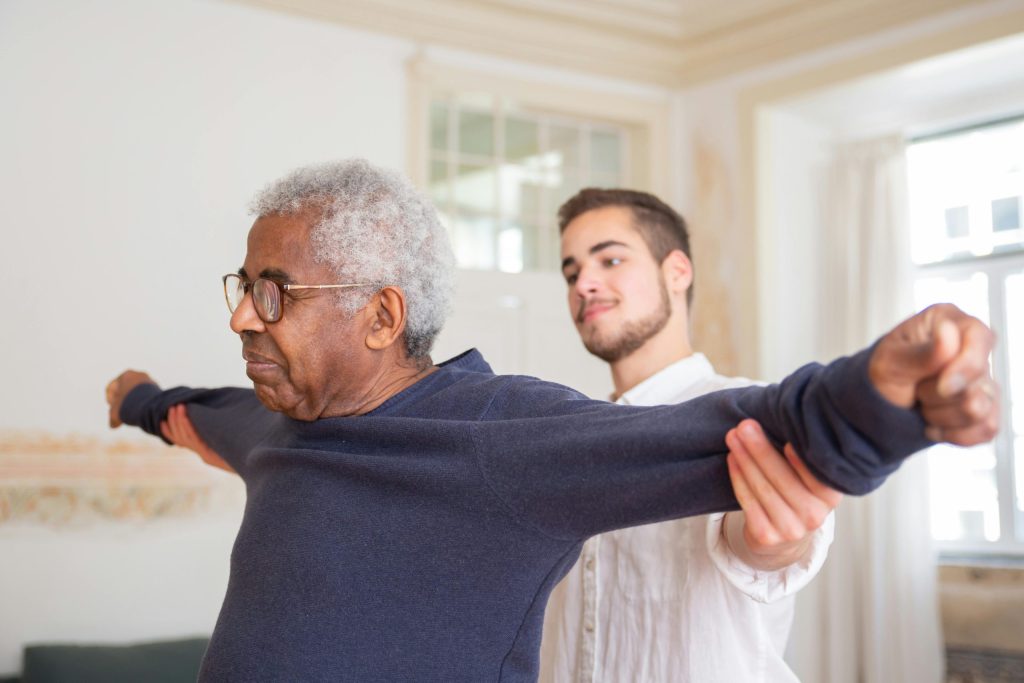
Falls are one of the leading causes of injury among older adults. If your loved one has become unsteady on their feet, struggles with stairs, or has experienced a recent fall, home health physical therapists can improve strength, balance, and mobility. They may also recommend changes to the home environment to improve safety.
- Noticeable Changes in Personal Hygiene or Appearance
A decline in grooming, bathing, or overall appearance can sometimes indicate underlying health issues, mobility limitations, or cognitive changes. These changes may signal that additional support is needed to maintain health, dignity, and independence.
- Difficulty Managing Medications
Taking multiple medications at different times throughout the day can become overwhelming. Missed doses, duplicate medications, or incorrect usage can lead to serious health complications. Skilled nurses can help educate patients about their medications, monitor for side effects, and coordinate with healthcare providers when concerns arise.
- New or Worsening Memory Problems
Forgetfulness that begins interfering with daily life deserves attention. Individuals experiencing memory loss may forget medications, appointments, or important safety precautions. Home health professionals can assess changes in function, provide education to caregivers, and help develop routines that support safety and independence.
- Declining Strength or Endurance
Simple daily activities such as getting dressed, preparing meals, or walking across the house may become increasingly difficult. Occupational and physical therapists can help patients regain strength, improve mobility, and recommend adaptive techniques or equipment that make everyday tasks easier.
- Family Caregiver Stress or Burnout
Family caregivers often balance work, parenting, and caregiving responsibilities. Over time, these demands can become physically and emotionally exhausting. Home health services provide professional support that complements the care families already provide, allowing caregivers to focus on spending meaningful time with their loved one.
- A Physician Recommends Home Health Care
One of the clearest indicators that home health care may be appropriate is a recommendation from your loved one’s physician. Home health services are typically ordered by a healthcare provider when a patient requires skilled medical care at home due to illness, injury, surgery, or the management of a chronic condition.
The Benefits of Receiving Care at Home
Home health care allows many patients to recover and manage their health while remaining in the comfort of familiar surroundings. Benefits may include:
* Personalized, one-on-one care
* Improved independence and quality of life
* Reduced risk of unnecessary hospitalizations
* Support for recovery after illness or surgery
* Education for both patients and family caregivers
* Collaboration with physicians to help achieve health goals
For many individuals, receiving care at home offers not only convenience but also comfort, confidence, and a greater sense of independence.
How to Get Started
If you’ve noticed one or more of these signs, it may be time to have a conversation with your loved one’s healthcare provider about whether home health care is appropriate. Early intervention can help prevent health complications and support a safer recovery at home.
Every person’s needs are unique, and the right care plan can make a meaningful difference in helping your loved one remain healthy, independent, and comfortable.